
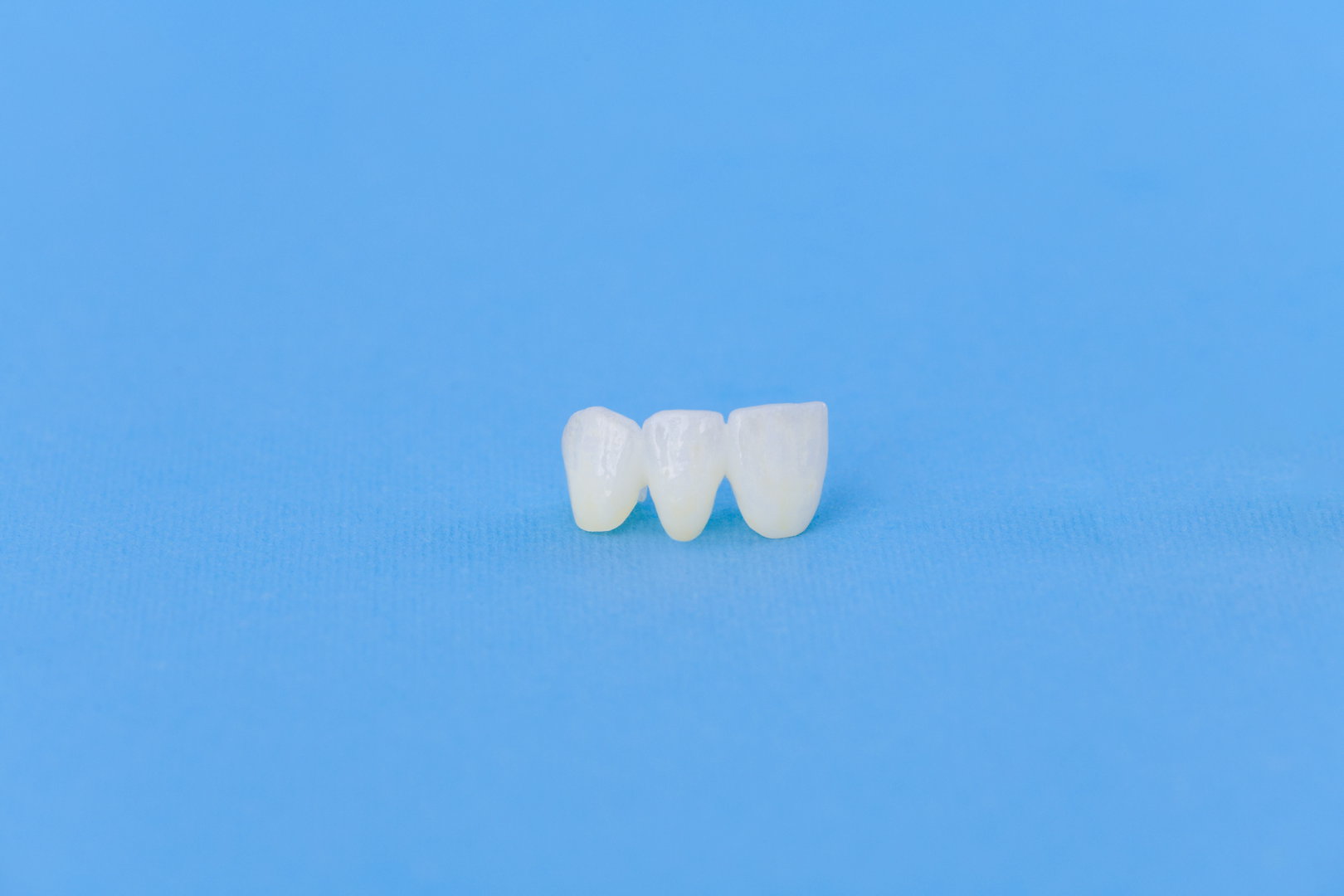
A dental crown is designed for everyday use, but its lifespan is not the same for everyone. How you care for your teeth, the location of the crown, and your individual bite can all influence how long it serves you well.
If you already have a crown or are considering one, a San Jose dentist can help you understand what affects its condition over time. Regular dental visits are useful for checking both the crown and the natural tooth beneath it.
Why Longevity Varies
Crowns can last for many years, but no restoration is permanent. A crown on a tooth used heavily for chewing may experience different demands than one in another part of the mouth.
Daily habits also matter. Consistent cleaning supports the surrounding gums, and avoiding unnecessary strain helps protect restorations and natural teeth alike.
Everyday Habits That Support Crowns
Simple routines often make the biggest difference. Your dentist may suggest a few adjustments based on your bite and oral health history.
- Brush twice a day with a gentle technique
- Clean carefully between teeth each day
- Keep regular dental cleaning and examination appointments
- Avoid using teeth to open packaging or hold objects
- Ask about a protective appliance if you grind your teeth
What Your Dentist Checks at Visits
During an examination, your dentist looks at the crown’s fit and condition. The team also checks the nearby gums and the tooth structure around the restoration.
These visits provide a chance to notice small changes and discuss maintenance before a more involved solution is necessary. You can also ask whether your current cleaning routine is reaching the area effectively.
Recognizing When to Ask for Advice
A crown that looks different, seems loose, or no longer feels the same when you bite deserves a dental evaluation. Changes do not automatically mean the crown must be replaced, but they are worth checking.
Your dentist can determine whether a simple adjustment, monitoring, or a new restoration is appropriate. Decisions should be based on an examination rather than assumptions about the crown’s age.
The Role of Your Bite
The way your teeth meet can affect the demands placed on a crown. Your dentist checks your bite during planning and may review it again during future visits. This helps identify whether the restoration is working as intended.
If you have a history of clenching or grinding, share that information with the dental team. A dentist can discuss whether additional protection or changes in habits would be helpful for your specific situation.
Keeping Track of Changes
You do not need to inspect your crown constantly, but it is useful to notice when something seems different. Mention changes in fit or appearance during your regular appointment rather than waiting until your next scheduled cleaning.
Keeping a consistent dental home makes this easier because the team can compare the crown’s condition with previous visits. A record of your restorations helps guide decisions about monitoring, maintenance, or future replacement.
Appearance and Maintenance Go Together
A crown may blend closely with neighboring teeth when it is first placed, but keeping the surrounding smile healthy remains a daily responsibility. Regular brushing and professional care support the appearance of the restoration as well as the gums nearby.
Ask your dentist whether any cleaning techniques deserve extra attention around the crown. Small adjustments to your routine can help you care for the restoration confidently over the long term.
Make Long-Term Care Convenient
Choosing a nearby San Jose practice can help you stay consistent with preventive visits. Having the same dental team monitor your restorations also creates a useful record of changes over time.
Whether your crown is new or has served you for years, our office can help you care for it. Schedule an appointment to review your restoration and build a practical maintenance plan.
Discussing Long-Term Goals
A maintenance conversation helps you understand what to watch for and how your daily routine supports a lasting restoration.